Street Photography: How to Observe Without Being Seen
Street photography rests on a paradox: you have to be present in a scene to photograph it, while being there as little as possible so as not to change it. The moment you’re spotted, people stiffen, look at the lens, or simply alter their behaviour — and the photo loses exactly what it was trying to capture.
Blend into the scenery
Staying still in one spot for a few minutes — against a wall, at a café terrace, on the edge of a pavement — rather than constantly roaming around camera in hand, lets you become part of the landscape that passers-by stop noticing. Once you’re no longer perceived as an event, the scenes around you return to normal, and that’s when the interesting photos start presenting themselves.
Anticipate rather than react
By the time you’ve raised the camera and pressed the shutter, the moment has often already passed. The real skill in street photography isn’t reaction speed but anticipation: spotting a scene that’s about to happen — someone approaching a point of interest, light about to sweep across a street, a gesture about to repeat itself — and being ready, already framed, at the moment it actually occurs.
Look at the details as much as the whole
Good street photography isn’t limited to big, lively scenes. A single isolated detail — a vintage shop sign, an incongruous object, a shadow cut sharply across a pavement — sometimes says more about a place’s atmosphere than a wide shot ever could. Alternating between scenes of daily life and these small details gives a street series its variety and its rhythm.
Embrace imperfection
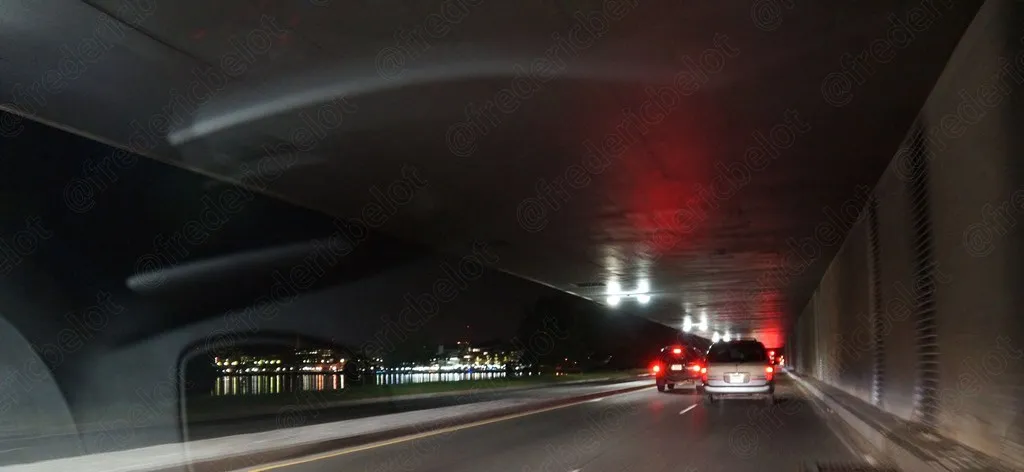
A street photo that’s slightly blurred, awkwardly framed, or has a passer-by cutting across the subject sometimes holds more power than a technically flawless but lifeless image. Street photography isn’t an exercise in technical perfection: it’s an exercise in truth. Better an imperfect photo that says something true than a perfect photo that says nothing at all.
Respect the people you photograph
Photographing strangers in public space demands a certain respect: avoid situations that put someone in difficulty or make them look ridiculous, and know when to lower the camera when a look clearly signals refusal. Good street photography is built over time, not at the cost of discomfort created in the moment.